History of Beleaguered Castle
Beleaguered Castle — also called Laying Siege — is one of the oldest open-packer patience games, appearing in nineteenth-century patience literature. It belongs to a family of games with a central foundation strip flanked by columns of tableau cards, a layout that gives the game its military metaphor: the foundations are a castle and the tableau cards are the besieging army.
Related games in the same family include Citadels, Streets and Alleys, and Fortress. Among these, Beleaguered Castle is typically the most difficult because it removes all four Aces from the tableau before dealing — giving the foundations a head start, but making the remaining 48 cards harder to sequence cleanly.
The 2s liberation problem
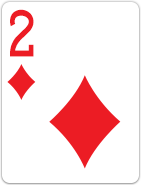
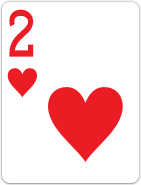
With Aces already on the foundations, the 2s are the immediate next targets. Until all four 2s reach their foundations, no suit can progress beyond the Ace. A 2 buried under five cards in a column of six requires moving all five blockers to other valid positions — which may itself require a chain of prior moves.
The best Beleaguered Castle openings begin by surveying all four 2s and tracing the liberation path for each before making any move. The cheapest liberation (fewest total moves, fewest dependencies) is almost always the right starting point.
Rank-only sequencing
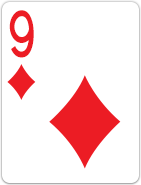
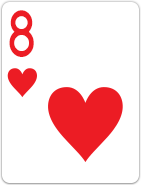
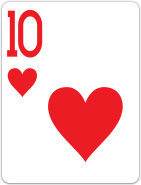
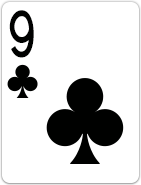
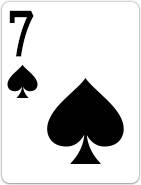
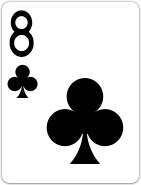
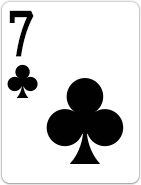
Unlike FreeCell or Klondike, Beleaguered Castle builds tableau sequences by rank only — any suit can be placed on any card one rank higher, regardless of color. A 7 of spades can go on an 8 of hearts, clubs, or diamonds.
This creates more legal destinations per card, but it comes with a subtle trap: placing a card on a same-suit card creates a foundation dependency chain where both cards must move in the correct order. When multiple placement options exist, prefer cross-suit placements over same-suit placements to avoid compounding your ordering constraints.
Read the full Beleaguered Castle strategy guide →
Beleaguered Castle is part of The Ramparts · Castle games.
More Castle games games
- Castle of Indolence — A two-deck castle with four thirteen-card reserve piles.
- Citadel — Beleaguered Castle builds available cards to foundations during the deal.
- Streets and Alleys — Beleaguered Castle with all four aces shuffled into its eight rows.
- Tableau Solitaire — Two-deck builder with eight in-suit foundations and same-suit sequences.
- Fortress — Ten open rows can build either up or down in suit.
Also try
- Calculation (Waste-pile builders) — Race four foundations built by fixed increments.
- Canfield (Canfield family) — Compact reserve patience with wrap-around foundations.
- La Belle Lucie (Fans (La Belle Lucie)) — Eighteen fans, strict suit-down building.
Learn